Nightshade Vegetables and Nutrition
The Solanaceae family encompasses a diverse range of plants including those commonly consumed as food.
However, the term “nightshade” may evoke negative connotations – some species within this group are indeed toxic while others offer significant nutritional benefits when ingested properly.
It’s important for individuals seeking out these vegetables to understand which ones pose potential risks and how best to prepare them safely before consumption.
For those interested in incorporating nightshade vegetables into their diet here’s a brief overview of some popular options:
Nightshade Vegetables – Common Varieties
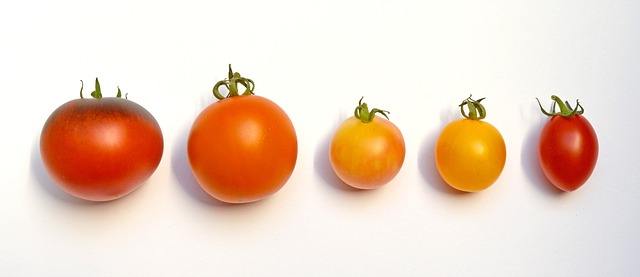
Tomatoes are a nutritional powerhouse with an abundance of vitamins C and K as well as potassium.
The antioxidant lycopene found in tomatoes has been linked to reduced risk for heart disease and cancer making them an essential addition to any healthy diet.
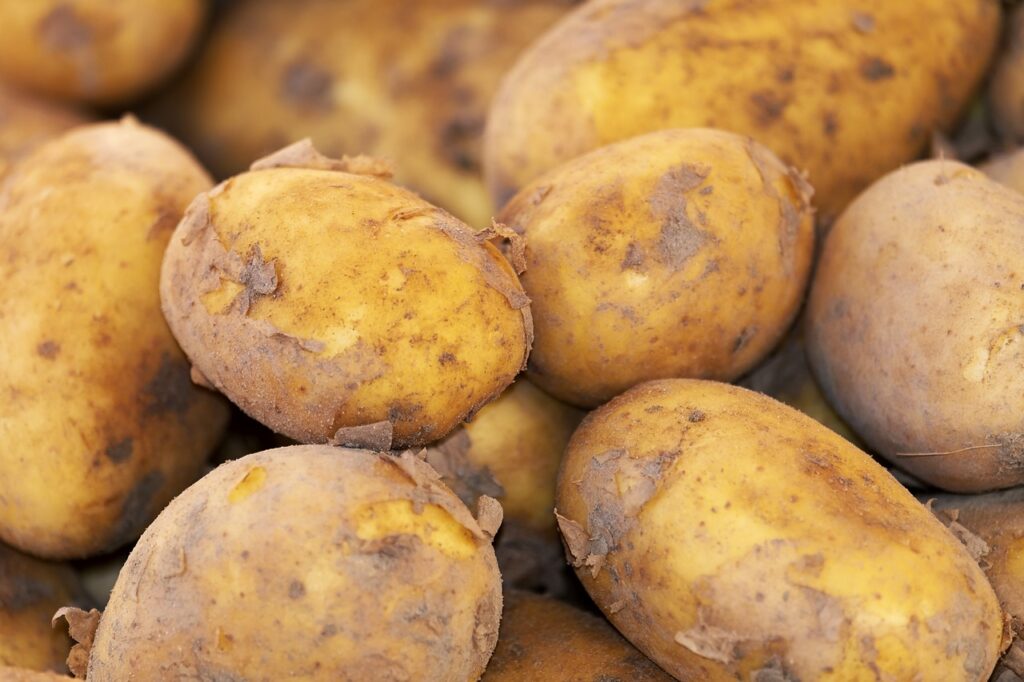
If you’re looking for a versatile food that packs plenty of nutrients into each serving consider incorporating potatoes into your diet.
These root vegetables are rich in carbohydrates and starch while also providing significant amounts of vitamin C, potassium, and fibre.
However, keep in mind that sweet potatoes do not fall under the nightshade category despite being related to regular potatoes.
With so many benefits it may be worth giving this humble tuber some attention!

For those seeking a healthy dietary addition that could potentially enhance cognitive function eggplants (aubergines) may be worth considering.
These vegetables are rich in fibre, vitamins B1 and B6 as well as antioxidant compounds like nasunin which has been linked to protecting brain cells from damage caused by oxidative stress.
By incorporating this nutrient dense food into your meal plan you can support optimal mental performance while enjoying delicious flavours!

Bell peppers (along with other sweet and hot varieties) are a great source of vitamins A & C, potassium, folic acid as well as fibre.
Additionally capsaicin found in these spicy veggies has been linked to pain relief benefits along with potential metabolism boosting properties.
So why not add some heat into your meals?

Tomatillos are commonly used in Mexican cuisine and offer a range of nutritional benefits. They share similarities with tomatoes when it comes to vitamin C and K content as well as antioxidants.
If you’re looking for ways to boost your overall health through food choices consider incorporating these versatile ingredients into meals or snacks.
Nutritional Benefits – What You Need To Know
Nightshades are a valuable source of essential nutrients that contribute to overall well being. These include vitamins and minerals which work together synergistically for optimal health benefits.
So incorporating these foods into your diet could be an excellent choice if you’re looking for natural ways to boost your vitality levels!
Antioxidants are essential for protecting the body from oxidative stress and inflammation. Many foods contain these important compounds that help keep us healthy.
Its worth considering incorporating more antioxidant rich options into your diet to support overall well being.
Nightshades are an essential source of dietary fibre that promotes digestive health.
The presence of this nutrient helps regulate bowel movements and manages blood sugar levels effectively.
Its worth including nightshade-rich foods in your meal plan for optimal well being!
Controversial and Sensitive Topics
Nightshades contain alkaloids such as solanine and capsaicin that are generally safe in food amounts.
However, some individuals may experience sensitivity or allergies to these compounds.
It is important for those with concerns about nightshade consumption to consult a healthcare professional before making any dietary changes.
Nightshade vegetables have been linked to inflammation concerns in individuals with autoimmune conditions such as arthritis.
However, scientific evidence supporting this claim is limited and inconclusive.
Its important for those who are concerned about their health status due to these potential risks to consult a medical professional before making any dietary changes or decisions based on anecdotal information alone.
Who Should Be Cautious?
Individuals with allergies or sensitivities may need to avoid nightshades due to potential adverse reactions such as digestive discomfort, skin rashes and joint pain.
This group of people should be cautious when consuming foods containing these ingredients in order to prevent any negative health effects from occurring.
Nightshades have been known to aggravate autoimmune diseases in some individuals. However this claim is not universally accepted or proven.
It’s important for those with these conditions to be cautious when consuming nightshade containing foods.
Summary
Nightshade vegetables are a collection of plants that provide noteworthy nutritional advantages.
Incorporating them into ones diet is a wise choice as they offer essential vitamins, minerals and antioxidants that are vital for optimal health.
While certain individuals may need to avoid them due to sensitivities or specific health conditions for most people these vegetables can be enjoyed as part of a balanced diet.
If you suspect nightshades may be impacting your health it is best to consult with a qualified medical professional for personalized dietary recommendations.
This will help ensure that you are making informed choices about what goes into your body and promoting optimal well being.
Remember: everyone’s needs differ so don’t take anyone else’s word as gospel! Seek out expert advice tailored specifically towards YOU.
